My name is Callum and I have an interest in art design graphics and photography. I studied GCSE fine art and graphics and am currently studying for a Level 2 photography diploma at Lincoln College of Art and Design.
I particularly like street photography and urban photography. My current project involves a study of lomography and the use of square format photography along with ways of communicating my photography to the public. You can follow me on Instagram if you're interested in what I post @_rose.lens_
Instagram is a social place to share photos and videos. It has over one billion active users a month and 1 in 7 people use the app. It has been around for 8 years. It was originally created in San Fransisco by Kevin Systrom and Mike Krieger. The launch of the first iphone made app s like Instagram possible because it was the first device to have a camera , phone and ipod all rolled into one. Instagram was originally launched in October 2010 exclusively on iOS and the Android app followed 18 months later. They originally tried creating a platform similar to Foursquare but then turned their attention exclusively to photo sharing. They created an app called Burbn which was a check in app where people could upload a photo to share their location. This apps name was later changed to Instagram (the word Instagram is a mixture of “instant camera” and “telegram.”)
The cameras on the first smartphones did not produce quality images so Instagram designers added filters to the app so that the photos looked better and so people wanted to share them. This creative element was added so that people could make creative choices to post and share.
Later Ian Spalter was employed to improve the original app. He approached the task from a design perspective. First, he simplified the logo creating a simple easily recognisable shape and created a coloured gradient background. Then Spalter made the app more user friendly by making the photos appear like a gallery.
Facebook bought Instagram for $1 billion on April 9, 2012. Although Instagram was not generating revenue when Facebook purchased it in 2012, it has recently been estimated to be worth $100 billion!
Nowadays Instagram users are not just people wanting to share photos with friends. If you are a business, celebrity or brand a lot of your identity is connected to Instagram and it is a great way of communicating with a wide audience through photos.
You can show and hide things using screen options I like this because you can hide posts while you are working on them. This means that you can keep editing and adding information until you are happy with the post. it also gives you control over the time when you post which will help when you have followers because they will look for a post at a certain time.
It is possible to split your posts into multiple pages by adding this command <!–nextpage–>
You can also move add or delete Dashboard Widgets.
You can also look and view themes without activating. this helps you try out different layouts and features of each theme to see which theme displace your work the best. You can hide it while you are working on it.
You are able to install links, videos and multimedia. this is a good feature because you can link your other platforms all in one place and this will help you grow as a business by communicating with a wider variety of people.
Instagram
In Instagram, you are able to edit images, you can private message your friends, you can upload to your stories, filters and hashtags
You can also add the location of the post I think this is a good feature because it will attract people to look at that post from that location. It is also a fun way of sharing what you are doing with friends.
You are also able comment on each other’s posts you are also able to join group chats and message multiple people at the same time.
You can create your own profile to make it your own.
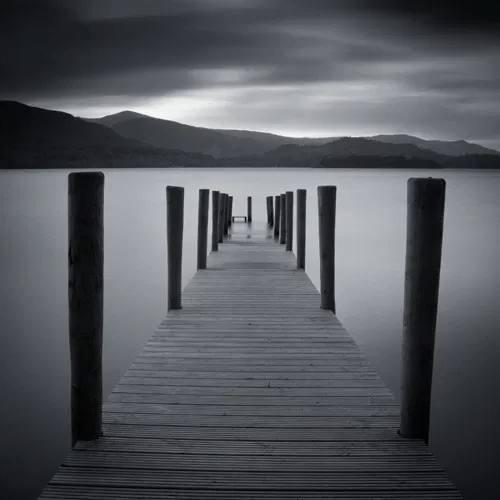
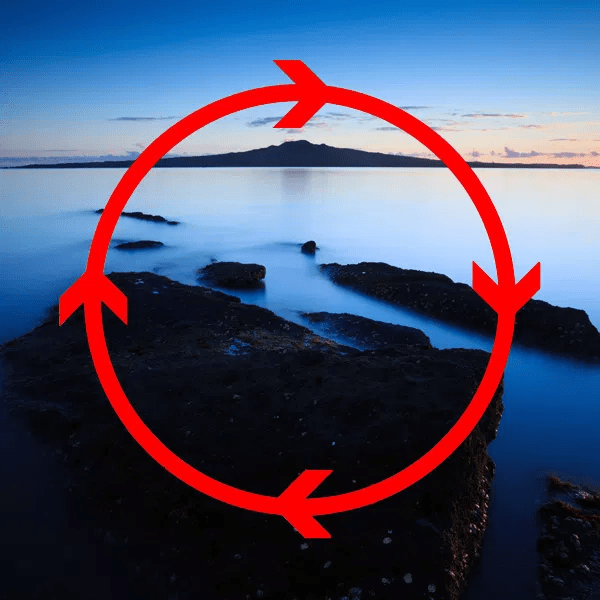
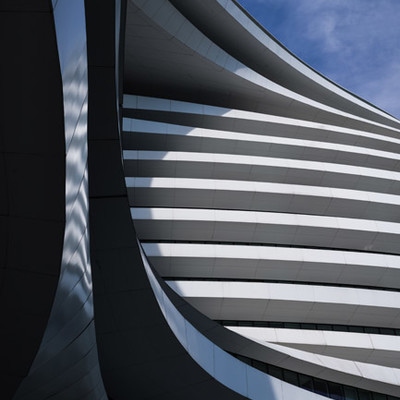
Square is a perfectly balanced shape. Each side is equal in length. Using the square format urges the eye to move around the frame in a circle.
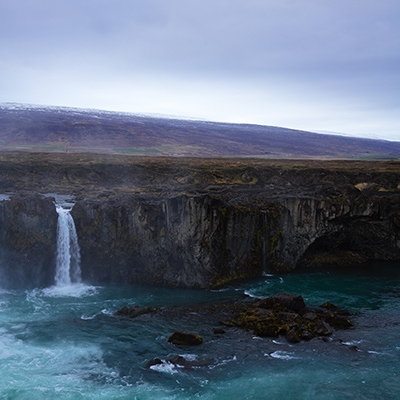
This image was taken in square format.
Negative space is the term used to describe the empty space in an image around the subject. Composition is often improved by getting closer to the subject. But sometimes you can create atmosphere or emphasise the shape of the subject by including negative space around it. In the rectangular frame, this can be difficult to do because there would be a lot of empty space. But using negative space can be very effective in the square format.
Before digital you really needed a 6x6cm format medium camera to use square format. The only way to achieve square format was to crop a 35mm negative in a darkroom. Although this was possible you wouldn’t be able to match the image quality of a medium format negative. Digital cameras have made square format available to everyone. Nowadays you can shoot in rectangle and crop to square in post-processing and some cameras also let you use the square format in-camera or even in the viewfinder on some cameras.
The Instagram app has also made the square format really user friendly. Some people transfer their images that they have already taken and use Instagram to process and crop them. As Smartphone cameras have improved over the last few years the square format has really become popular as people share their images using the Instagram app.
Before digital you really needed a 6x6cm format medium camera to use square format. The only way to achieve square format was to crop a 35mm negative in a darkroom. Although this was possible you wouldn’t be able to match the image quality of a medium format negative. Digital cameras have made square format available to everyone. Nowadays you can shoot in rectangle and crop to square in post-processing and some cameras also let you use the square format in-camera or even in the viewfinder on some cameras.
The Instagram app has also made the square format really user friendly. Some people transfer their images that they have already taken and use Instagram to process and crop them. As Smartphone cameras have improved over the last few years the square format has really become popular as people share their images using the Instagram app.
Toy cameras like the Holga and Diana have also made square format a popular image choice. Lomography has become a popular hobby and people are enjoying creating artistic images without the use of Photoshop.
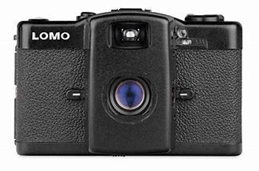
Lomography is a style of pop photography based on the quirky cameras by the Austrian camera manufacturer known as Lomo. The lomography name originally came from a Russian manufacturer LOMO PLC of Saint Petersburg, who created and produced the 35 mm LOMO LC-A Compact Automat camera, now central to lomography. In 1984, LOMO began mass-producing the LC-A, a fixed lens, 35 mm film compact film camera that achieved popularity within the USSR and kickstarted Lomography. After the break down of the USSR cheaper camera models like the Diana and the Holga became widely available which were specially designed to develop creativity of analogue photography.
LOMO LC-A (Original)
In 1992 by a group of footloose Viennese students, the Lomographic Society International and by 2011 lomography had become really fashionable. There are still lots of enthusiasts using lomo cameras and shooting film.
What equipment is used?
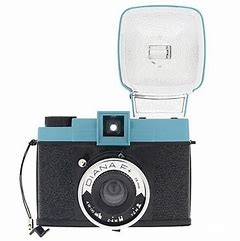
Diana F+
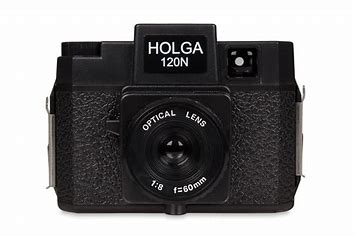
Holga 120 N
There are several camera types used for Lomography . The Diana and Holga are two of the most popular. Lomo cameras are usually poor technical cameras. They are fairly cheap and are made of plastic. Some cameras often have light leaks, poor alignment of their lenses or other defects, which gives the images a quirky easily recognised style. Often lomographers use crazy color-shifting films, special effect films and bespoke Art Lenses with the cameras. The films range in size including 35mm, 120 and 110 formats.
Top tips
The Lomography Societies motto is …”Don’t think just shoot!”
Take your camera everywhere you go.
Use it any time — day and night.
Lomography is not an interference in your life, but a part of it.
Try to shoot from the hip.
Approach the objects of your Lomographic desire as close as possible.
Don’t think.
Be fast.
You don’t have to know beforehand what you captured on film.
Afterwards either.
Don’t worry about any rules!
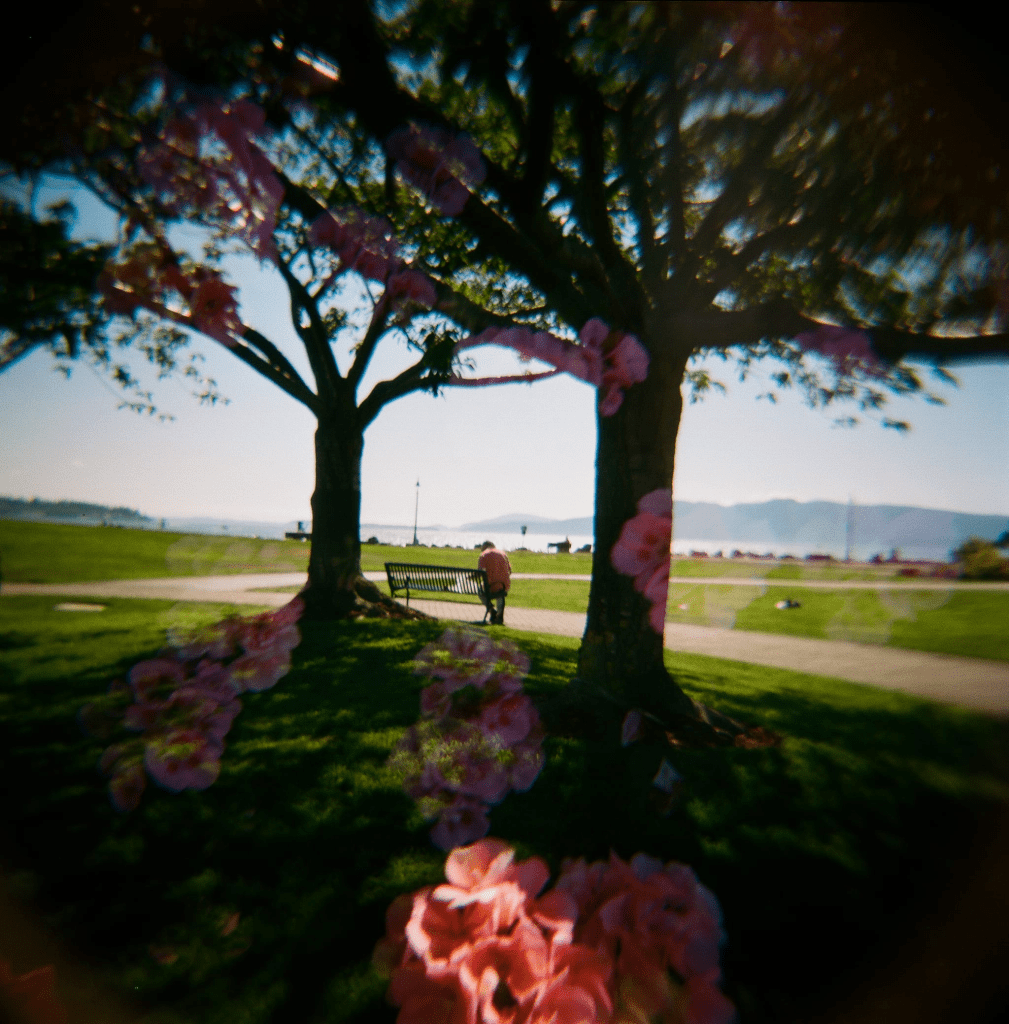
Taken with Holga 120 N I think this image is interesting because its double exposure . I like the way it has superimposed flowers on to the original landscape picture. The image has a dreamy mood and gives the message of a warm summers day.These images were taken by Holga photographer Michelle Bates
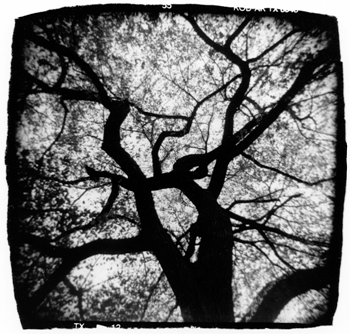
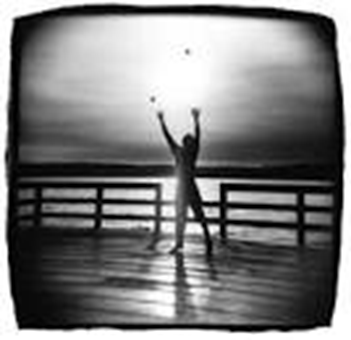
Michelle Bates uses a torn cardboard frame inside her Holga camera to create an artistic vignette around her images. The first image is one of a series of photos all based around plants and trees growing in urban landscapes. The second image was from a series of photos of street artists and acrobats. I have found her work quite interesting and I am going to use my Holga to take some urban parkour shots.
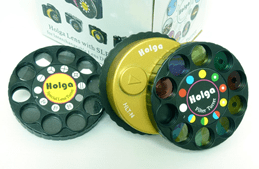
This is a Holga art effects filter lens that you can put on a Nikon or Canon DSLR to create arty lo-fi images.
Diana F+
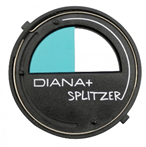
The Diana is a cheap plastic lo-fi camera which creates images with a retro style. It has been designed to take 120mm film. It produces soft-focused images and it is easy to customise it with art lenses. It comes with an instant back for shooting with 35mm which means it can be used with the full range of art effect films. Like the Holga it is easy to take double or multiple exposures easily by not advancing the film so that the images are layered on top of each other. Because the camera is very basic and the frame can be removed from the camera lots of different art effects can be added to your images by making special filters with coloured gels or even melted plastic mask. Stencils can be also used to create interesting masks for your images. There is also a gadget available for the Diana F+ called a Splitzer which basically allows you to divide your multiple exposures into halves and quarters so that you can decide what appears on your photo and exactly where it will appear.
The Diana F+ flash fits the other Lomography cameras eg the La Sardina and Sprocket Rocket. There are a range of lenses available and there are also lenses available which can be used on a Nikon F or Canon EF mount camera.
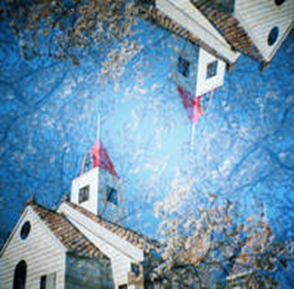
An example of a double exposure image using a Diana camera and splitzer
Other types of Lomography camera
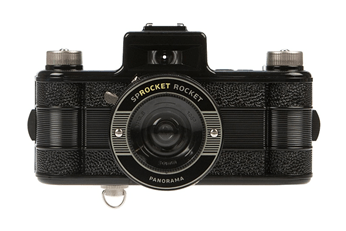
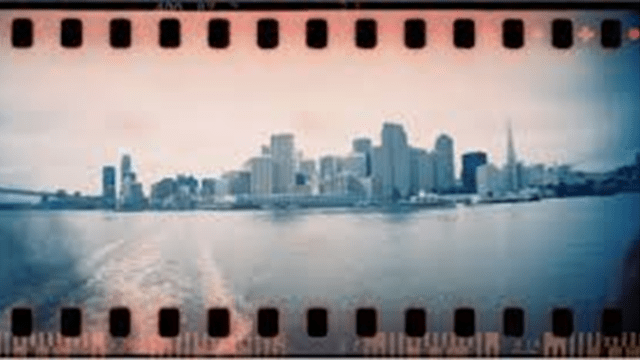
Sprocket Rocket This camera was created by Lomography in 2011 and is based on a camera from the 1930s and 40s called the Falcon. it is a point and click camera which is great fun to take on any adventure. The sprocket holes appear on the image which gives a cool analogue film style. it takes 35mm film and is compatible with all art effect films it has a super wide angle lens for panoramas it has a rewind nob to allow you to create multiple exposures. I have loaded my sprocket rocket with lomochrome purple film and im going to go and take some panoramic shots of Lincoln. Example of panoramic landscape with sprocket holes
La Sardina 8 ball
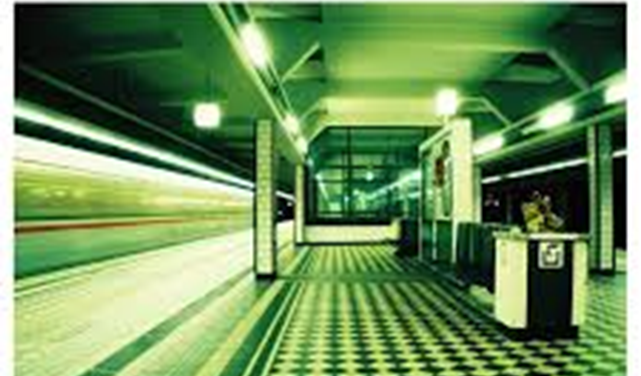
The La Sardina 8 ball camera has an 89degree field of view with a wide-angle 22mm lens. This is a fun camera which people can experiment with multiple exposures with the double-exposure switch and rewind mechanism . It takes 35mm film and can be used with many of the Lomo special effects films which creates endless possibilities. It has fast shutter speed (1/100s) will enable you to get magical photos in many situations.
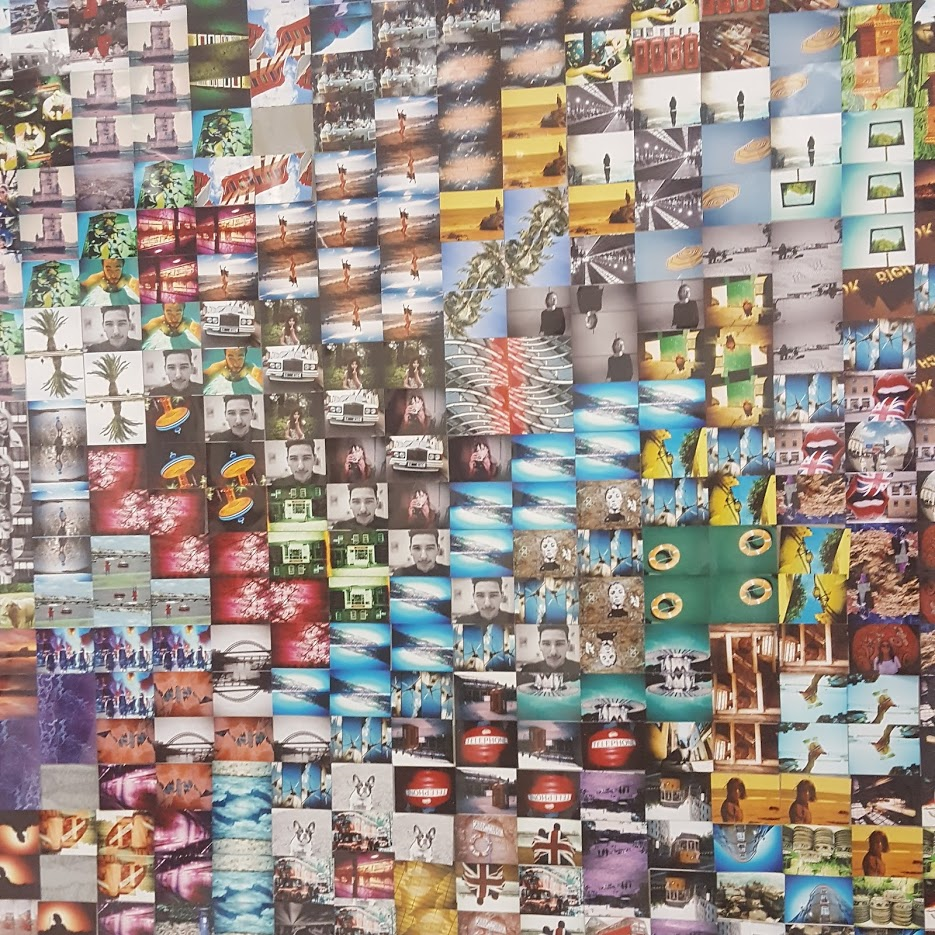
Example of Sardina Eight ball imageThis shot is of the Lomo wall at Creative and Cultural shop in Hull. I visited the shop to buy a sprocket rocket and some art effect 35mm film.
Hasselblad is one of the leading manufacturers of digital medium format cameras and lenses. Since its start in 1941, Hasselblad cameras have been renowned for their iconic design, uncompromising image quality, high performance and are often linked with square format.
Victor Hasselblad was born in Gothenburg, Sweden in 1906, and is the man behind some of the most iconic cameras in history.
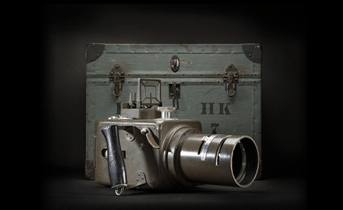
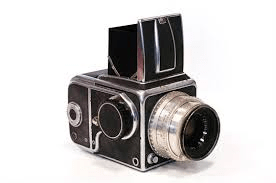
The first Hasselbald camera
In 1940 Hasselblad was already known for been a camera expert. The Swedish air force struggled to equip themselves the right aerial equipment, so they approached victor to help them with technical difficulties. A German aerial surveillance camera had been discovered in Sweden which became the inspiration for the HK 7 but Victor created a superior model.
Hasselblad in space
Hasselblad began working with NASA during the Mercury program in 1962. A NASA astronaut Walter Schirra was also a photographer and he knew that the Hasselblad camera was high quality. To be able to take a Hasselblad 500c camera into space it needed several modifications such as removing its leather cover, auxiliary shutter, reflex mirror, and viewfinder. The original 500c could only take 12 exposures so Hasselblad designed a new film magazine which could take 70 photos. The exterior of the camera was painted matte black to minimize the reflections on the window of the shuttle. Schirra orbited the earth 6 times and captured successful high-quality images. This led to a long, successful business partnership between NASA and Hasselblad.
Hasselblad 500cImage of Hasselblad camera at National Science & Media Museum Bradford.
Hasselbled continued to modify and streamline its cameras making them even more suitable for space. Different constructions and lenses were trialed to produce a camera which was as lightweight but strong as possible without losing any quality. The Hasselblad camera which captured the 1969 moon landing can be seen at the National Science and Media Museum in Bradford.
The Hasselblad cameras were used to take sharp detailed pictures. Armstrong Aldrin and Collins took 1407 photos on the apollo11 mission. 857 in black and white and 550 in colour. They kept the film and left the cameras behind to make room for moon rocks om the return trip!
The first consumer camera
After ww2 ended and people began to resume with their hobbies the Hasselblad team turned their focus to cameras for the general population rather than military. Victor Hasselblad was a keen wildlife photographer in his spare time. Up to this point cameras were still bulky compared to modern day cameras. Victor wanted to create a camera that was small enough to fit in his hand. On 6th October 1948 Victor introduced the Hasselblad 1600F.
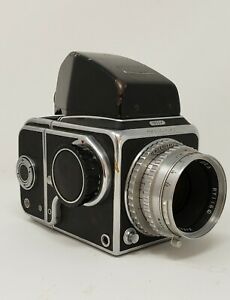
1600 F
This was a 6×6 camera with single lens and mirror reflex. The camera had interchangeable Kodak lenses, film magazines and viewfinders. This camera was revolutionary and changed photography for the masses. It was later refined because the interior was delicate and so the new 1000F was introduced. This was even tested by dropping it twice to see if it was robust! It did not disappoint and from this moment on Hasselblad became famously linked with 6 x 6 format.
100F
Hasselblad XPan
In 1998 Hasselblad created the new XPan camera in collaboration with Fuji this once again revolutionized the camera industry. This camera had all the features of a 35mm format but it had the ability to change the format to full panoramic without changing the film.
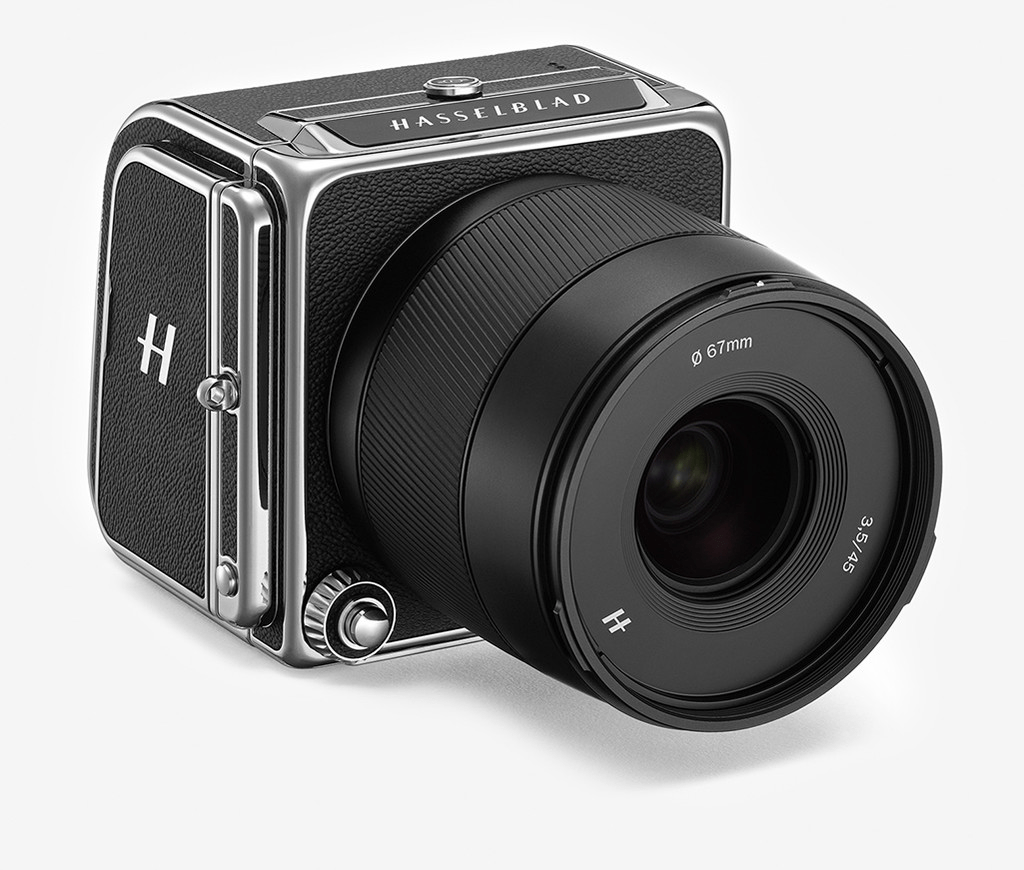
This is the CFV II 50c this is the latest model of the Hasselblad. This camera has a XCD lens which is the modern lens that they use with it. This is a highly portable camera which creates images of the sharpest quality.
X1D II 50C is a compact, powerful mirrorless medium format camera. The X1D II 50C delivers superb, true-to-life tones that match what the human eye sees. It is a lightweight portable camera with outstanding colour definition. The photos below show how crisp and real the images are.
This is the first post on my new blog. I’m just getting this new blog going, so stay tuned for more. Subscribe below to get notified when I post new updates.
This is an example post, originally published as part of Blogging University. Enroll in one of our ten programs, and start your blog right.
You’re going to publish a post today. Don’t worry about how your blog looks. Don’t worry if you haven’t given it a name yet, or you’re feeling overwhelmed. Just click the “New Post” button, and tell us why you’re here.
Why do this?
Because it gives new readers context. What are you about? Why should they read your blog?
Because it will help you focus you own ideas about your blog and what you’d like to do with it.
The post can be short or long, a personal intro to your life or a bloggy mission statement, a manifesto for the future or a simple outline of your the types of things you hope to publish.
To help you get started, here are a few questions:
Why are you blogging publicly, rather than keeping a personal journal?
What topics do you think you’ll write about?
Who would you love to connect with via your blog?
If you blog successfully throughout the next year, what would you hope to have accomplished?
You’re not locked into any of this; one of the wonderful things about blogs is how they constantly evolve as we learn, grow, and interact with one another — but it’s good to know where and why you started, and articulating your goals may just give you a few other post ideas.
Can’t think how to get started? Just write the first thing that pops into your head. Anne Lamott, author of a book on writing we love, says that you need to give yourself permission to write a “crappy first draft”. Anne makes a great point — just start writing, and worry about editing it later.
When you’re ready to publish, give your post three to five tags that describe your blog’s focus — writing, photography, fiction, parenting, food, cars, movies, sports, whatever. These tags will help others who care about your topics find you in the Reader. Make sure one of the tags is “zerotohero,” so other new bloggers can find you, too.




 _rose.lens_