What is Lomography?
Lomography is a style of pop photography based on the quirky cameras by the Austrian camera manufacturer known as Lomo. The lomography name originally came from a Russian manufacturer LOMO PLC of Saint Petersburg, who created and produced the 35 mm LOMO LC-A Compact Automat camera, now central to lomography. In 1984, LOMO began mass-producing the LC-A, a fixed lens, 35 mm film compact film camera that achieved popularity within the USSR and kickstarted Lomography. After the break down of the USSR cheaper camera models like the Diana and the Holga became widely available which were specially designed to develop creativity of analogue photography.
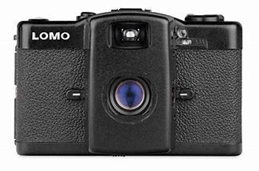
In 1992 by a group of footloose Viennese students, the Lomographic Society International and by 2011 lomography had become really fashionable. There are still lots of enthusiasts using lomo cameras and shooting film.
What equipment is used?
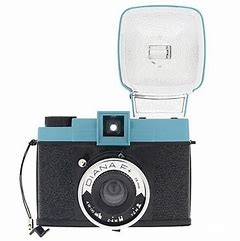
Diana F+ 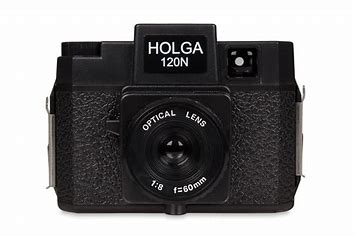
Holga 120 N
There are several camera types used for Lomography . The Diana and Holga are two of the most popular. Lomo cameras are usually poor technical cameras. They are fairly cheap and are made of plastic. Some cameras often have light leaks, poor alignment of their lenses or other defects, which gives the images a quirky easily recognised style. Often lomographers use crazy color-shifting films, special effect films and bespoke Art Lenses with the cameras. The films range in size including 35mm, 120 and 110 formats.
Top tips
The Lomography Societies motto is …”Don’t think just shoot!”
- Take your camera everywhere you go.
- Use it any time — day and night.
- Lomography is not an interference in your life, but a part of it.
- Try to shoot from the hip.
- Approach the objects of your Lomographic desire as close as possible.
- Don’t think.
- Be fast.
- You don’t have to know beforehand what you captured on film.
- Afterwards either.
- Don’t worry about any rules!
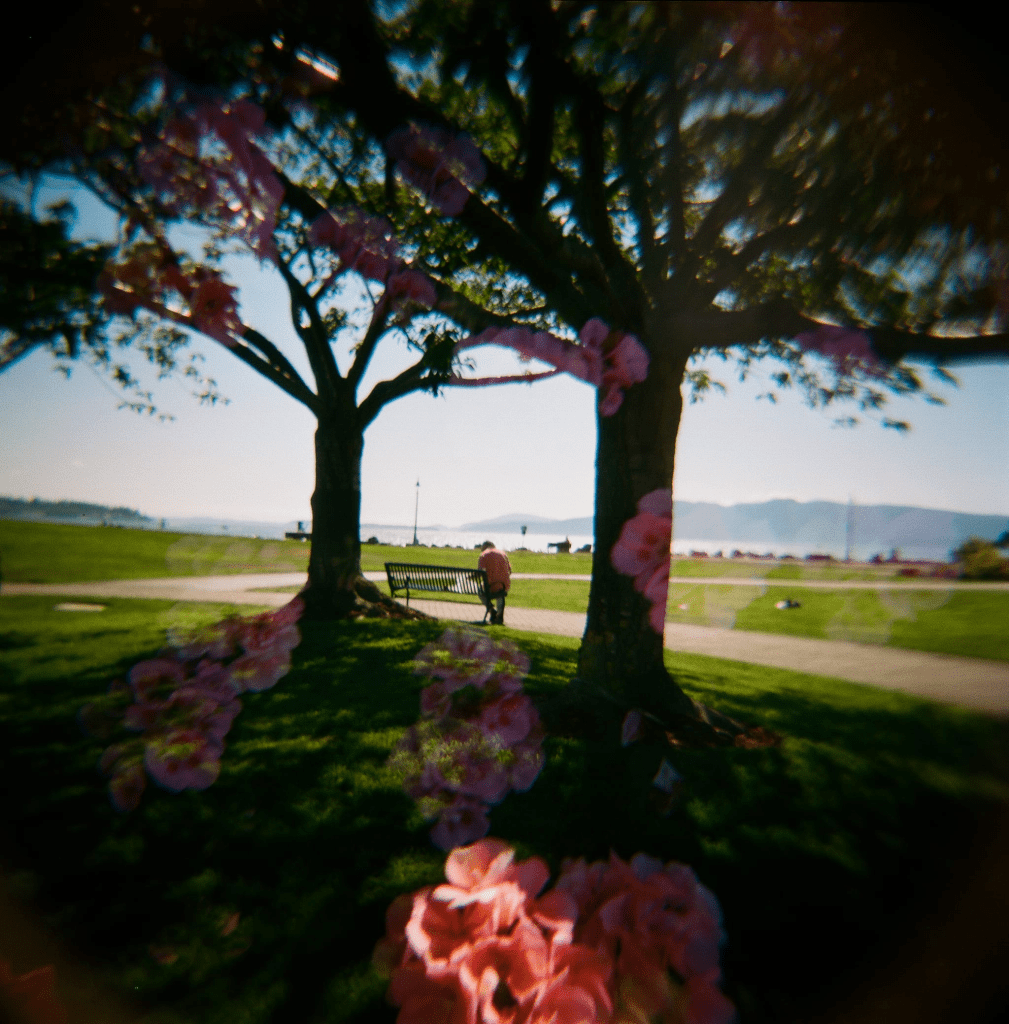
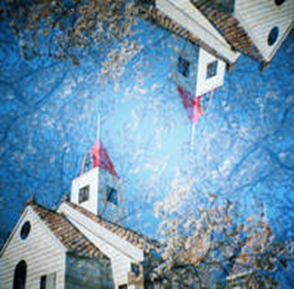
I think this image is interesting because its double exposure . I like the way it has superimposed flowers on to the original landscape picture. The image has a dreamy mood and gives the message of a warm summers day.
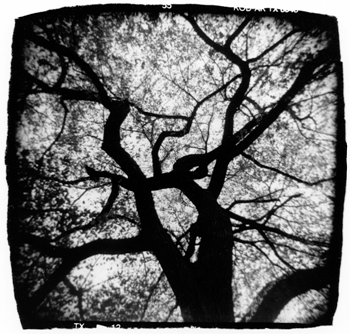

Michelle Bates uses a torn cardboard frame inside her Holga camera to create an artistic vignette around her images. The first image is one of a series of photos all based around plants and trees growing in urban landscapes. The second image was from a series of photos of street artists and acrobats. I have found her work quite interesting and I am going to use my Holga to take some urban parkour shots.
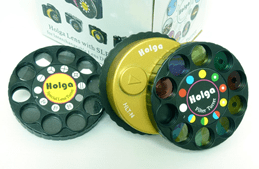
Diana F+
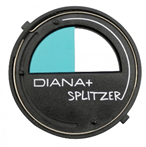
The Diana is a cheap plastic lo-fi camera which creates images with a retro style. It has been designed to take 120mm film. It produces soft-focused images and it is easy to customise it with art lenses. It comes with an instant back for shooting with 35mm which means it can be used with the full range of art effect films. Like the Holga it is easy to take double or multiple exposures easily by not advancing the film so that the images are layered on top of each other. Because the camera is very basic and the frame can be removed from the camera lots of different art effects can be added to your images by making special filters with coloured gels or even melted plastic mask. Stencils can be also used to create interesting masks for your images. There is also a gadget available for the Diana F+ called a Splitzer which basically allows you to divide your multiple exposures into halves and quarters so that you can decide what appears on your photo and exactly where it will appear.
The Diana F+ flash fits the other Lomography cameras eg the La Sardina and Sprocket Rocket. There are a range of lenses available and there are also lenses available which can be used on a Nikon F or Canon EF mount camera.
Other types of Lomography camera
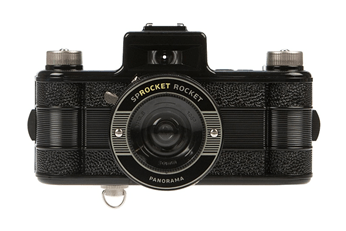
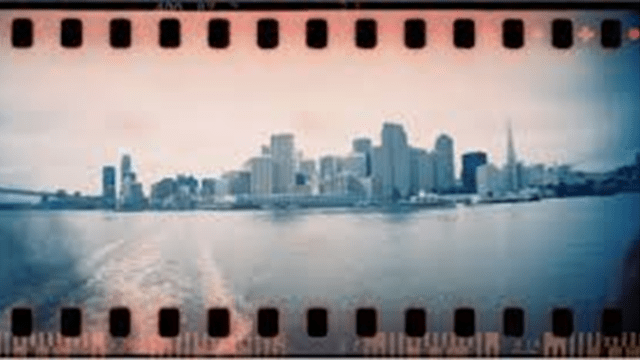
This camera was created by Lomography in 2011 and is based on a camera from the 1930s and 40s called the Falcon. it is a point and click camera which is great fun to take on any adventure. The sprocket holes appear on the image which gives a cool analogue film style. it takes 35mm film and is compatible with all art effect films it has a super wide angle lens for panoramas it has a rewind nob to allow you to create multiple exposures. I have loaded my sprocket rocket with lomochrome purple film and im going to go and take some panoramic shots of Lincoln.

La Sardina 8 ball
The La Sardina 8 ball camera has an 89degree field of view with a wide-angle 22mm lens. This is a fun camera which people can experiment with multiple exposures with the double-exposure switch and rewind mechanism . It takes 35mm film and can be used with many of the Lomo special effects films which creates endless possibilities. It has fast shutter speed (1/100s) will enable you to get magical photos in many situations.
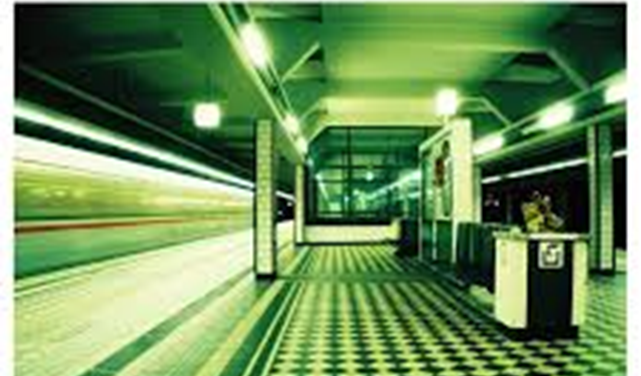
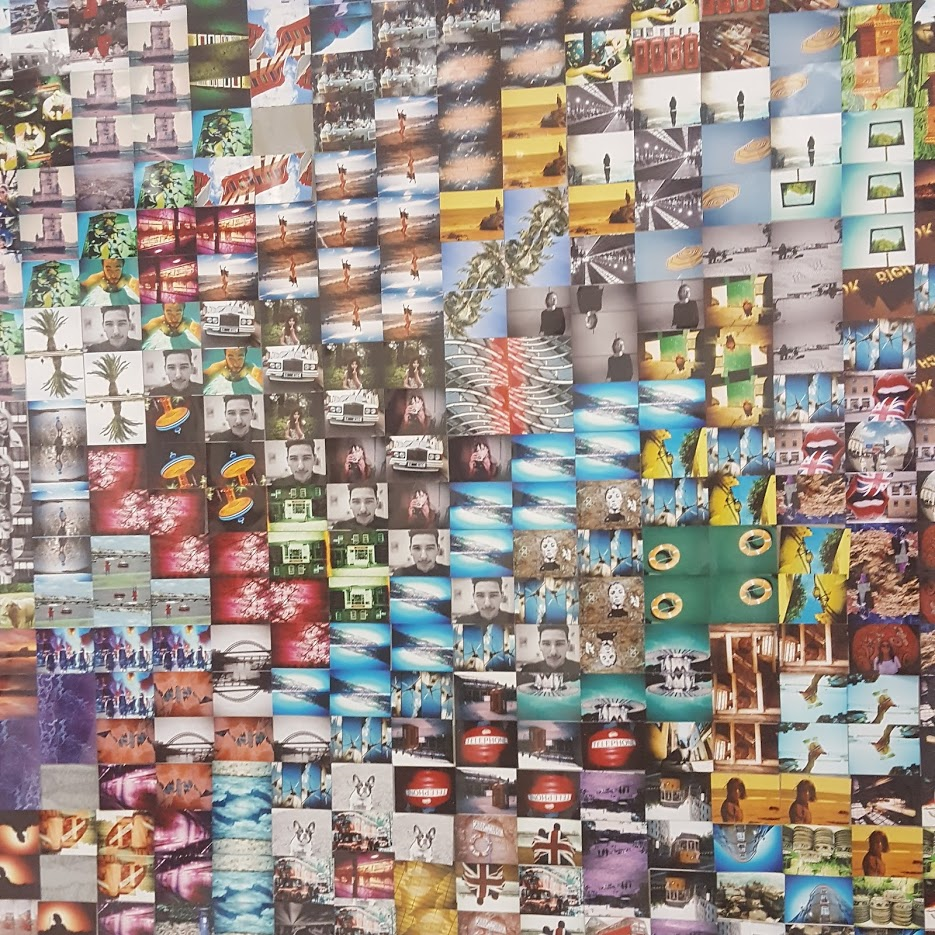
I visited the shop to buy a sprocket rocket and some art effect 35mm film.

 _rose.lens_