Hasselblad is one of the leading manufacturers of digital medium format cameras and lenses. Since its start in 1941, Hasselblad cameras have been renowned for their iconic design, uncompromising image quality, high performance and are often linked with square format.
Victor Hasselblad was born in Gothenburg, Sweden in 1906, and is the man behind some of the most iconic cameras in history.
The first Hasselbald camera
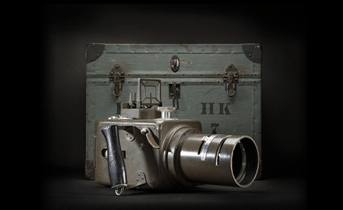
In 1940 Hasselblad was already known for been a camera expert. The Swedish air force struggled to equip themselves the right aerial equipment, so they approached victor to help them with technical difficulties. A German aerial surveillance camera had been discovered in Sweden which became the inspiration for the HK 7 but Victor created a superior model.
Hasselblad in space
Hasselblad began working with NASA during the Mercury program in 1962. A NASA astronaut Walter Schirra was also a photographer and he knew that the Hasselblad camera was high quality. To be able to take a Hasselblad 500c camera into space it needed several modifications such as removing its leather cover, auxiliary shutter, reflex mirror, and viewfinder. The original 500c could only take 12 exposures so Hasselblad designed a new film magazine which could take 70 photos. The exterior of the camera was painted matte black to minimize the reflections on the window of the shuttle. Schirra orbited the earth 6 times and captured successful high-quality images. This led to a long, successful business partnership between NASA and Hasselblad.

Hasselbled continued to modify and streamline its cameras making them even more suitable for space. Different constructions and lenses were trialed to produce a camera which was as lightweight but strong as possible without losing any quality. The Hasselblad camera which captured the 1969 moon landing can be seen at the National Science and Media Museum in Bradford.
The Hasselblad cameras were used to take sharp detailed pictures. Armstrong Aldrin and Collins took 1407 photos on the apollo11 mission. 857 in black and white and 550 in colour. They kept the film and left the cameras behind to make room for moon rocks om the return trip!
The first consumer camera
After ww2 ended and people began to resume with their hobbies the Hasselblad team turned their focus to cameras for the general population rather than military. Victor Hasselblad was a keen wildlife photographer in his spare time. Up to this point cameras were still bulky compared to modern day cameras. Victor wanted to create a camera that was small enough to fit in his hand. On 6th October 1948 Victor introduced the Hasselblad 1600F.
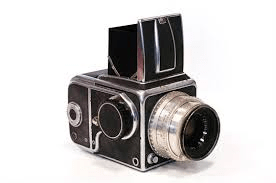
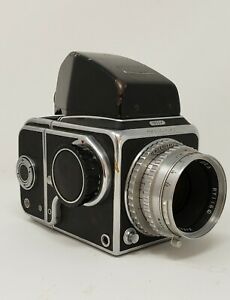
This was a 6×6 camera with single lens and mirror reflex. The camera had interchangeable Kodak lenses, film magazines and viewfinders. This camera was revolutionary and changed photography for the masses. It was later refined because the interior was delicate and so the new 1000F was introduced. This was even tested by dropping it twice to see if it was robust! It did not disappoint and from this moment on Hasselblad became famously linked with 6 x 6 format.
Hasselblad XPan
In 1998 Hasselblad created the new XPan camera in collaboration with Fuji this once again revolutionized the camera industry. This camera had all the features of a 35mm format but it had the ability to change the format to full panoramic without changing the film.
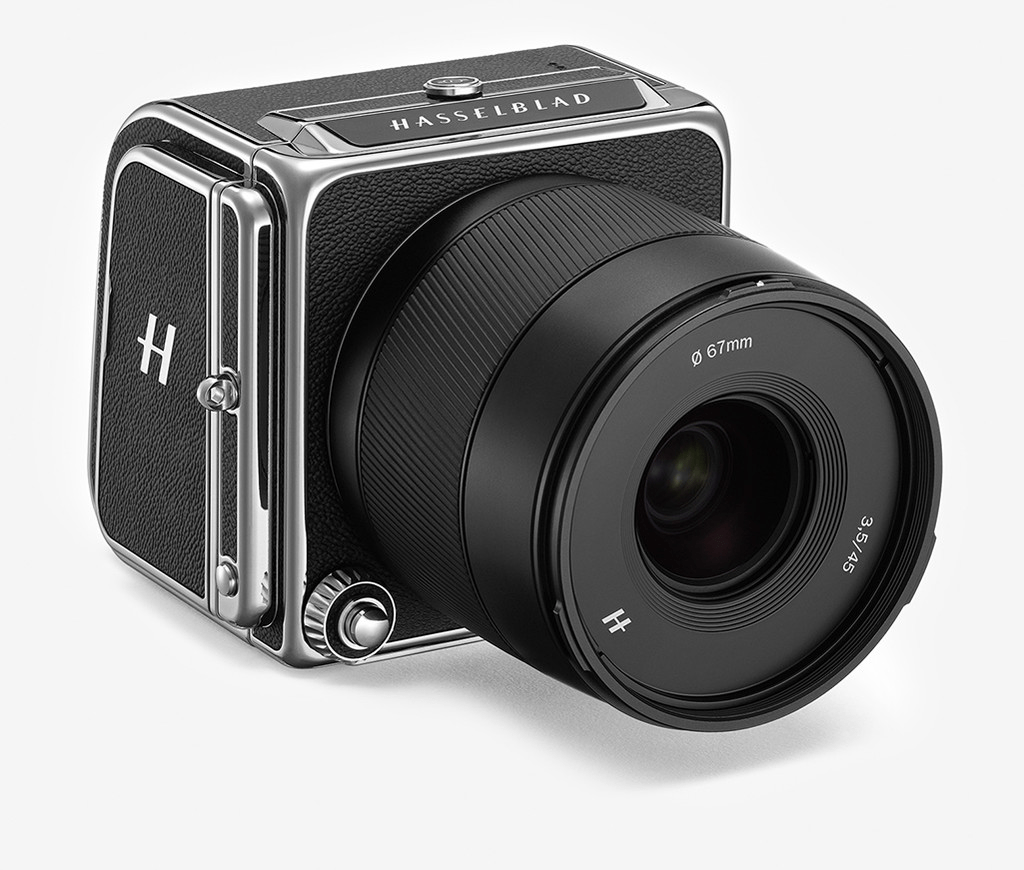
This is the CFV II 50c this is the latest model of the Hasselblad. This camera has a XCD lens which is the modern lens that they use with it. This is a highly portable camera which creates images of the sharpest quality.
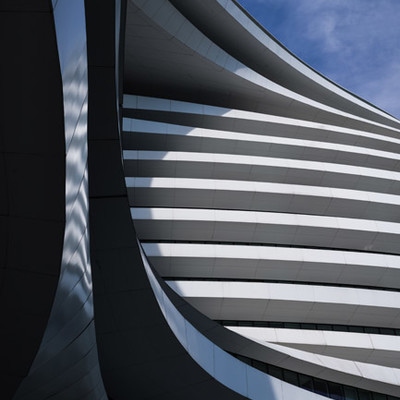
X1D II 50C is a compact, powerful mirrorless medium format camera. The X1D II 50C delivers superb, true-to-life tones that match what the human eye sees. It is a lightweight portable camera with outstanding colour definition. The photos below show how crisp and real the images are.


 _rose.lens_